
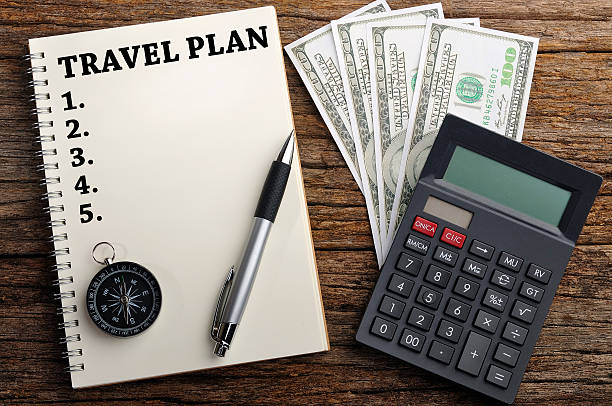
Planning a trip sounds exciting at first, but once you actually sit down to figure things out, it can feel a bit overwhelming. Flights, hotels, budgets, itineraries… everything comes at once. I’ve been there too, staring at ten open tabs and still not knowing where to start. But honestly, once you break it down step by step, it becomes much easier—and even fun.
Let’s walk through how you can go from just an idea to a fully planned trip without losing your mind.
Start with a Realistic Budget
Before anything else, you need to decide how much you’re willing to spend. This is the foundation of your entire trip. If your budget isn’t clear, you’ll either overspend or keep second-guessing every decision.
Think about your total amount and then mentally divide it into major categories like transport, accommodation, food, and activities. Don’t try to be perfect here—just get a rough idea. For example, if flights take up a big chunk, you might need to adjust your hotel expectations a bit.
Also, always keep a small buffer. Something always comes up—extra taxi rides, impulse shopping, or that one restaurant you didn’t plan for but really want to try.
Choose the Right Destination
This step is where your budget and interests meet. Sometimes we pick a destination first and then struggle to afford it. A better way is to see what destinations actually fit your budget and timing.
If you’re traveling during peak season, prices will naturally be higher. Off-season travel can save a lot of money and also gives you a more relaxed experience. I once visited a popular place during off-season, and honestly, it felt like I had the whole place to myself.
Also, think about what kind of trip you want. Relaxing, adventurous, cultural, or just a quick escape? Your destination should match your mood, not just Instagram trends.
Research and Compare Before Booking
Now comes the part that takes a little patience—research. Don’t just book the first flight or hotel you see. Spend some time comparing options.
Flight prices can vary a lot depending on the day and time. Sometimes booking mid-week works better than weekends. Similarly, hotels can look amazing in pictures but reviews tell the real story. Always check recent reviews to avoid surprises.
This step might feel boring, but it actually saves you from regrets later. Think of it as a small investment of time for a smoother trip.
Lock Your Flights and Accommodation Early
Once you’re satisfied with your research, don’t wait too long. Prices can change quickly, especially for flights. If something fits your budget and seems reasonable, it’s usually better to book it.
When it comes to accommodation, choose something that fits your travel style. If you’re someone who plans to explore all day, you don’t need a luxury hotel. But if you enjoy spending time indoors and relaxing, then it might be worth spending a bit more.
Location also matters more than people think. Staying slightly closer to main attractions can save both time and money on transport.
Plan a Flexible Itinerary
A lot of people either over-plan or don’t plan at all. The best approach is somewhere in between.
Make a list of places you definitely want to visit, but don’t try to fill every hour of your day. Leave some space for unexpected discoveries. Sometimes the best moments of a trip aren’t planned—they just happen.
Also, group nearby attractions together. This reduces travel time and makes your days less tiring. Trust me, running from one end of the city to another just to “cover everything” gets exhausting very quickly.
Pack Smart, Not Heavy
Packing is another area where things can go wrong. It’s tempting to carry everything “just in case,” but that usually leads to heavy bags and unnecessary stress.
Think about your destination’s weather and activities. Pack clothes you can mix and match instead of carrying separate outfits for each day. Comfortable shoes are a must—this is something I learned the hard way.
Also, keep your essentials like documents, chargers, and basic medicines easily accessible. Losing time searching for things in your bag is the last thing you want during a trip.
Manage Your Money Wisely During the Trip
Even if you’ve planned your budget well, it’s important to keep track of your spending while traveling.
Small expenses add up quickly—coffee here, snacks there, and suddenly you’re over budget. It doesn’t mean you shouldn’t enjoy yourself, just be a little aware.
Using digital payments can make things easier, but always carry some local cash as backup. Not every place accepts cards, especially in smaller areas.
Stay Open to Experiences
One thing I’ve realized is that the best trips aren’t always the most expensive ones—they’re the ones where you stay open to experiences.
Talk to locals, try food you’ve never heard of, and explore beyond the main tourist spots. Sometimes a simple walk in a new place can be more memorable than any planned activity.
Don’t stress if things don’t go exactly as planned. Missed buses, delayed flights, or sudden weather changes—they’re all part of the journey. In fact, these little hiccups often turn into stories you laugh about later.
Final Thoughts
Planning a trip like a pro doesn’t mean making everything perfect. It just means being prepared enough to enjoy the experience without constant stress.
Start with a clear budget, choose wisely, do your research, and leave some room for spontaneity. Over time, you’ll develop your own style of planning, and it will feel much more natural.
At the end of the day, travel isn’t about perfect plans—it’s about the memories you create along the way.