
Introduction
India is renowned for its diverse wildlife and iconic safari destinations, but tucked away in the rugged landscape of Rajasthan lies a lesser-known paradise—Jawai. Unlike the dense jungles of other reserves, Jawai offers a unique blend of granite hills, open scrublands, and tranquil water bodies. This extraordinary terrain has become one of the best places in the country to spot leopards in their natural habitat.
The Jawai Leopard Safari is not just about wildlife sightings; it is an immersive experience that combines nature, culture, and adventure. From watching leopards roam freely across rocky outcrops to witnessing harmonious coexistence between humans and predators, Jawai offers a story unlike any other safari destination in India.
Where is Jawai?
Jawai is located in the Pali district of Rajasthan, nestled between the cities of Jodhpur and Udaipur. The region is centered around the Jawai Bandh (dam), which serves as a lifeline for both wildlife and local communities. The landscape is dotted with granite hills that form natural caves—perfect shelters for leopards.
Unlike protected national parks, Jawai is not a designated tiger reserve or sanctuary. Instead, it is a community-managed area where wildlife thrives alongside rural settlements.
Why Jawai is Famous for Leopards
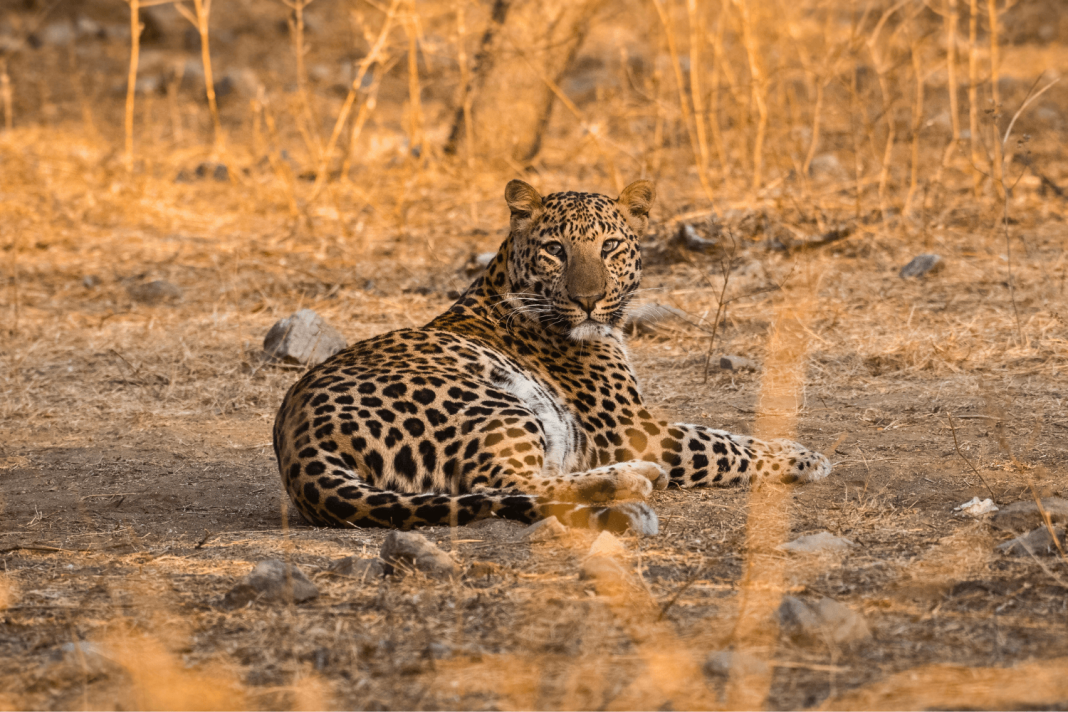
Jawai is often referred to as the “Land of Leopards,” and for good reason. The area boasts one of the highest densities of leopards in India. What makes it even more fascinating is the ease with which these elusive big cats can be spotted.
Unique Factors Behind Leopard Sightings
- Open Terrain:
The rocky hills and sparse vegetation make it easier to spot leopards compared to dense forests. - Rocky Habitat:
Leopards in Jawai live in granite caves, offering excellent vantage points for sightings. - Human Coexistence:
Local communities, particularly the Rabari tribe, have coexisted peacefully with leopards for centuries. This reduces conflict and allows leopards to roam freely. - Minimal Predators:
Unlike other regions, Jawai does not have competing big predators like tigers, allowing leopards to thrive.
The Jawai Leopard Safari Experience
A Jawai Leopard Safari is unlike traditional jeep safaris in national parks. It is more flexible, intimate, and raw.
Safari Timings
- Morning Safari: Starts around sunrise
- Evening Safari: Begins a few hours before sunset
These are the best times when leopards are most active.
Safari Vehicles
Open 4×4 jeeps are used for safaris, driven by experienced local guides who are highly skilled at tracking leopard movements.
What to Expect
- Spotting leopards resting on rocks or emerging from caves
- Observing their hunting behavior
- Stunning views of sunrise and sunset over granite hills
- Encounters with other wildlife species
Wildlife Beyond Leopards
While leopards are the main attraction, Jawai is home to a variety of other wildlife species that enrich the safari experience.
Mammals
- Hyenas
- Jackals
- Jungle cats
- Indian foxes
- Nilgai (blue bull)
Birds
Jawai is a paradise for birdwatchers, especially near the dam.
- Flamingos (seasonal)
- Pelicans
- Cranes
- Kingfishers
- Eagles
Reptiles
- Crocodiles in Jawai Dam
- Monitor lizards
Best Time to Visit Jawai
The ideal time to visit Jawai depends on your preferences, but generally, the region is accessible throughout the year.
October to March (Winter)
- Pleasant weather
- Best for sightseeing and safaris
- Ideal for photography
April to June (Summer)
- Higher chances of leopard sightings due to water scarcity
- Hot temperatures, sometimes exceeding 40°C
July to September (Monsoon)
- Lush green landscapes
- Fewer tourists
- Safari access may be limited due to rain
Accommodation Options
Jawai offers a range of accommodations, from luxury camps to boutique lodges. Many properties are designed to blend seamlessly with the natural environment.
Types of Stay
- Luxury Tented Camps
Provide an authentic safari experience with modern comforts. - Boutique Resorts
Offer personalized services and guided safaris. - Homestays
Ideal for experiencing local culture and traditions.
Culture and Local Communities
One of the most remarkable aspects of Jawai is the harmonious coexistence between humans and wildlife.
The Rabari Tribe
The Rabari community, known for their pastoral lifestyle, plays a crucial role in maintaining this balance. They consider leopards sacred and rarely harm them, even when livestock losses occur.
Temples in Leopard Territory
Several ancient temples are located within the hills, often sharing space with leopards. It’s not uncommon to see both humans and predators using the same paths without conflict.
Photography Opportunities
Jawai is a dream destination for photographers.
What Makes It Special
- Dramatic rocky landscapes
- Clear visibility of wildlife
- Golden hour lighting
- Unique compositions with leopards on granite hills
Whether you are a professional photographer or a hobbyist, Jawai offers unmatched opportunities.
How to Reach Jawai
Reaching Jawai is relatively convenient from major cities in Rajasthan.
By Air
- Nearest airports: Jodhpur and Udaipur
By Train
- Nearest railway station: Jawai Bandh
By Road
- Well-connected by road from Jodhpur, Udaipur, and Mount Abu
Safari Booking and Costs
Safari costs can vary depending on the type of accommodation and package.
Typical Pricing
- Jeep safari: Moderate to premium pricing
- Luxury packages: Higher cost with all-inclusive services
It is advisable to book safaris in advance, especially during peak season.
Tips for a Great Safari Experience
- Carry Essentials
Sunscreen, hats, and water are important, especially in summer. - Wear Neutral Colors
Avoid bright colors that may disturb wildlife. - Follow Guide Instructions
Safety and respect for wildlife are paramount. - Be Patient
Wildlife sightings are unpredictable but rewarding. - Respect Local Culture
Engage respectfully with local communities.
Sustainable Tourism in Jawai
Jawai stands as a model for sustainable tourism.
Key Practices
- Community involvement in tourism
- Conservation-focused safaris
- Eco-friendly accommodations
Visitors are encouraged to support responsible tourism initiatives.
Comparing Jawai with Other Safari Destinations
Jawai offers a completely different experience compared to traditional wildlife reserves.
Jawai vs Jungle Safaris
| Feature | Jawai | Traditional Parks |
|---|---|---|
| Terrain | Rocky hills | Dense forests |
| Leopard Sightings | High | Moderate |
| Flexibility | More flexible | Regulated |
| Experience | Intimate | Structured |
Challenges and Conservation Efforts
Despite its success, Jawai faces challenges.
Threats
- Increasing tourism pressure
- Habitat disturbance
- Human-wildlife conflict risks
Conservation Efforts
- Awareness programs
- Community participation
- Responsible tourism practices
A Day in Jawai
A typical day in Jawai is both relaxing and adventurous.
Morning
- Early safari
- Breakfast with scenic views
Afternoon
- Leisure time or village visits
Evening
- Sunset safari
- Campfire and cultural experiences
Why Jawai Should Be on Your Travel List
Jawai is not just another safari destination—it is an experience that stays with you.
Highlights
- High probability of leopard sightings
- Unique landscapes
- Cultural richness
- Peaceful and less crowded
Conclusion
The Jawai Leopard Safari is a hidden treasure in Rajasthan that offers an extraordinary blend of wildlife, nature, and culture. Its rugged terrain, thriving leopard population, and harmonious coexistence between humans and animals make it truly special.
Whether you are a wildlife enthusiast, photographer, or traveler seeking something offbeat, Jawai promises an unforgettable journey. As tourism continues to grow, preserving the delicate balance of this ecosystem becomes even more important.
A visit to Jawai is not just about spotting leopards—it is about understanding a rare relationship between humans and wildlife, set against one of the most stunning landscapes in India.